Material Matters: Choosing the Right Fabric for Your Needs
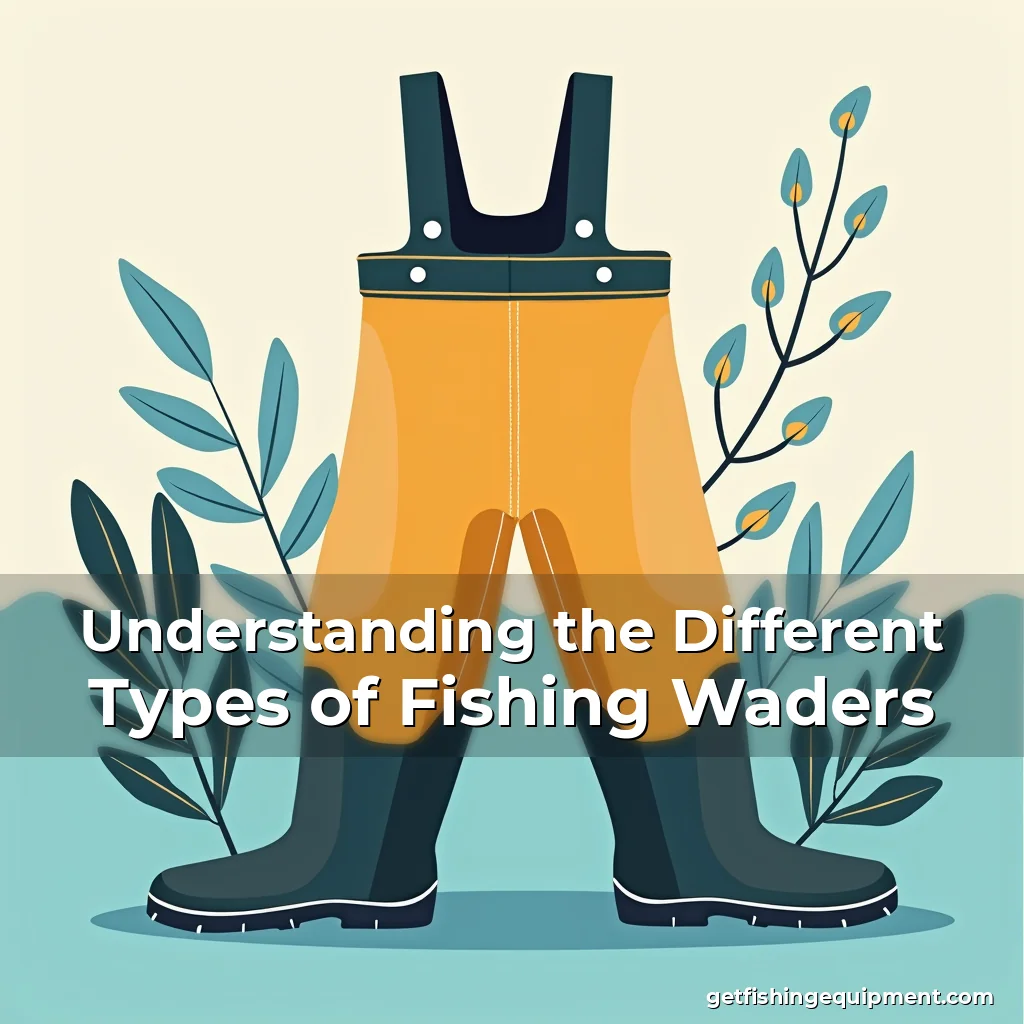
The choice of material profoundly impacts a wader’s performance, comfort, and lifespan. While synthetic blends dominate modern production, understanding their properties helps align expectations with actual usage conditions.
Nylon and polyester composites form the base of most mainstream waders, providing structural integrity while remaining relatively light. However, pure nylon tends to degrade faster under prolonged exposure to UV rays and abrasive surfaces.
Hybrid constructions blend synthetic fibers with waterproofing layers, enhancing resilience without compromising flexibility. These multi-layered approaches are particularly beneficial for anglers frequently traversing rough terrain or encountering sharp underwater obstacles.
For extreme cold environments, specialized insulating linings become crucial. Materials like Thinsulate or Aerogel add thickness without excessive weight, ensuring core body temperature remains stable even in freezing conditions.
The Science Behind Waterproof Membranes
Modern waders rely on waterproof membranes such as Gore-Tex or Dryzzle, which function similarly to microfilters. These thin films contain billions of pores per square inch, allowing perspiration vapor to escape while blocking liquid water intrusion.
A study conducted by OutdoorGearLab found that high-quality membrane waders retain waterproofness for up to five years with regular maintenance, whereas cheaper imitations show noticeable degradation after just one season of frequent use.
Proper application of sealants and coatings plays a vital role in preserving membrane effectiveness. Most reputable brands recommend periodic reapplication of proprietary treatments to maintain optimal performance levels.
Beyond basic waterproofing, some advanced membranes incorporate additional benefits like odor resistance, antimicrobial properties, or enhanced breathability rates tailored for hot climates.
Fit and Comfort: Why Proper Sizing Makes All the Difference
Even the best-designed waders will fail to deliver satisfactory results if improperly sized. Achieving the correct fit involves precise measurements and consideration of individual body proportions rather than relying solely on standard size charts.
Measurements should include inseam length, thigh circumference, waist measurement, and torso height to determine accurate sizing. It’s advisable to consult manufacturer-specific guides, as dimensions vary considerably across brands.
An ill-fitting wader can lead to numerous issues ranging from restricted blood flow in tight spots to compromised buoyancy control in deeper waters. Ensuring ample room for movement without excess sagging is essential for overall performance.
Some companies now offer custom tailoring services or adjustable components like Velcro straps and elasticated cuffs to fine-tune fit according to specific requirements or changing body conditions over time.
- Common Fit Mistakes: Overestimating sizes to ‘allow for growth’ typically leads to unnecessary drag and potential safety hazards from loose clothing snagging on rocks or branches.
- Adjustment Techniques: Many contemporary models feature removable inner liners or modular panels that enable quick modifications for varying temperatures or activities.
Essential Features Every Angler Should Know About
While aesthetics play a minor role, functional attributes define a wader’s suitability for specific tasks. Pay close attention to details like zipper placements, seam reinforcements, and attachment points designed specifically for fishing equipment.
Zipper closures must be fully sealed to prevent water leakage, especially along the spine area where pressure differences can cause seepage during deep wades. Look for models featuring secondary seals or storm flaps for added security.
Integrated hip packs, side pockets, and tool loops streamline organization, eliminating the need for separate gear carriers. Some high-end versions even embed LED lighting systems or GPS tracking devices for enhanced visibility and safety.
Padded knee panels and articulated joints reduce fatigue during lengthy sessions, while reflective strips increase conspicuity in low-light situations. These subtle enhancements collectively contribute to improved usability and peace of mind.
- Seams & Stitching: Reinforced stitching patterns reinforce stress points, preventing tears from abrasion caused by contact with submerged debris or rocky substrates.
- Harness Compatibility: Certain waders are engineered with pre-installed slots or mounting hardware enabling easy installation of backrest supports or floatation vests.
Seasonal Adaptations: Dressing Appropriately for Any Weather Condition
Weather variability necessitates strategic layering strategies beyond mere outerwear. Understanding how external factors influence wader performance allows better preparation regardless of forecasted conditions.
Dry seasons demand breathable garments that facilitate sweat evaporation, while wetter months require stronger waterproof barriers capable of resisting persistent rain showers. Layering principles apply universally across all climatic zones.
In springtime, unpredictable temperatures mean transitioning between warmer days and cooler nights requires adaptable attire. Quick-drying technical fabrics excel here, balancing insulation needs with ventilation efficiency.
Winter-specific kits integrate heated elements strategically placed near extremities, mitigating frostbite risks without overheating central regions responsible for core thermoregulation.
- Spring Tactics: Light-weight insulated waders paired with windbreakers suffice until average temperatures stabilize above freezing.
- Summer Solutions: Breathable mesh inserts inside waders help regulate internal humidity levels, preventing clamminess during high-intensity casts or long hikes.
Maintenance and Longevity: Keeping Your Investment Performing Optimal
Regular upkeep prolongs wader lifespan dramatically. Establishing simple routines like post-use rinsing, thorough drying procedures, and periodic inspections identifies wear-and-tear issues early enough to avoid costly repairs later.
Rinse waders thoroughly with clean freshwater after each outing to remove dirt particles that could damage fabric integrity over time. Gently scrubbing zippers with soft brushes prevents grit accumulation that weakens closure mechanisms.
Allowing waders to air dry completely away from direct sunlight preserves membrane integrity and prevents mold growth. Never use heat sources like hairdryers or radiators, as intense dryness can warp delicate textiles permanently.
Inspect seams regularly for fraying threads or signs of delamination, addressing concerns promptly via sewing kits provided by manufacturers. Prompt replacement of damaged parts avoids progressive deterioration affecting entire garment structure.
- Cleaning Steps: Mix mild soap solution with lukewarm water, soak affected areas briefly then rinse extensively until all suds disappear entirely.
- Drying Methods: Hang vertically in shaded areas facing airflow, ensuring consistent distribution of residual moisture without causing undue strain on suspension points.
Safety First: Preventative Measures Against Drowning and Hypothermia
Despite robust construction, accidents remain possible when wading unfamiliar bodies of water. Prioritizing safety protocols minimizes risks associated with unexpected currents, slippery banks, or sudden drops in water temperature.
Always wear a Personal Flotation Device (PFD) rated for recreational use, even if self-confidence suggests otherwise. Statistics reveal nearly half of drowning incidents occur within sight of land, underscoring the unpredictability factor inherent in aquatic settings.
Before entering any stream or lake, assess depth, flow speed, and underlying substrate composition. Knowing safe exit routes and emergency response plans increases chances of survival should mishaps arise unexpectedly.
Monitoring body signals becomes critical once immersed; numbness, shivering, or difficulty breathing indicate immediate withdrawal necessary to prevent severe health complications from prolonged exposure.
- Preparation Checklist: Carry rescue rope, whistle, flashlight, and mobile phone secured in waterproof containers accessible at all times.
- Training Recommendations: Enroll in wilderness first aid courses covering hypothermia management and CPR techniques applicable to remote locations lacking immediate medical assistance.
Budget-Friendly Shopping: Finding Value Without Compromising Quality
Quality waders span wide price ranges depending on brand reputation, technological incorporation, and intended use cases. Identifying affordable yet reliable options enables cost-effective outfitting without sacrificing fundamental functionalities.
New entrants benefit greatly from testing mid-range offerings before committing to top-tier models. Stores specializing in outdoor recreation often run seasonal promotions discounting previous year’s inventory at substantial savings.
Online retailers provide extensive reviews and comparative analyses helping narrow down suitable candidates based on user experiences and technical specifications. Cross-referencing customer feedback with official product descriptions yields informed purchasing decisions.
Consider secondhand markets carefully, verifying authenticity and condition through reputable resellers. Used waders can represent excellent bargains if inspected meticulously for hidden damages or outdated technologies unsuitable for current needs.
- Price Range Overview: Entry-level sets begin around $100-$150, mid-range selections hover between $200-$400, and premium units exceed $500 incorporating cutting-edge materials and features.
- Value Indicators: Look for certifications indicating compliance with industry benchmarks like ISO 9001 or CE marking signifying adherence to strict manufacturing standards.
Conclusion: Elevate Your Experience With Expert-Grade Fishing Waders
Fishing waders transcend mere protective apparel—they embody innovation, craftsmanship, and a commitment to enhancing angling pursuits safely and comfortably. Making educated choices regarding type, material, fit, and maintenance ensures longevity and satisfaction with every cast.
Whether embarking on weekend excursions or pursuing competitive tournaments, investing in well-chosen waders represents a cornerstone decision shaping future adventures positively. By applying knowledge gained here, you’ll confidently navigate diverse environments knowing your gear delivers exceptional support whenever required.

news is a contributor at GetFishingEquipment.com. We are committed to providing well-researched, accurate, and valuable content to our readers.