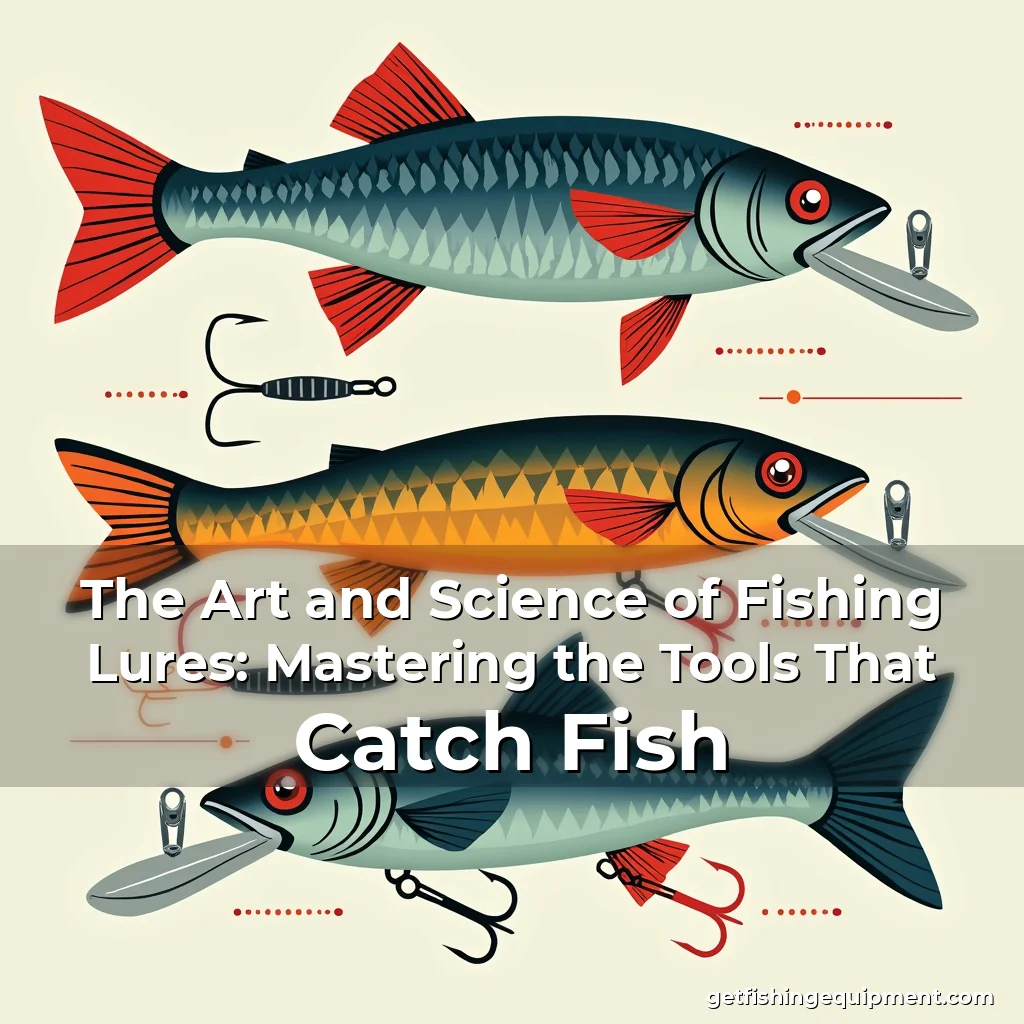
The Art and Science of Fishing Lures: Mastering the Tools That Catch Fish
Fishing is an ancient practice that has evolved over millennia, but few elements have transformed modern angling as dramatically as the development of fishing lures. These artificial baits are designed to mimic prey, triggering instinctive strikes from fish across various environments. Whether you’re casting in freshwater lakes or chasing saltwater giants, understanding how to choose and use lures effectively can elevate your success rate significantly.
Lure selection is both an art and a science. It requires knowledge of local species behavior, water conditions, and seasonal patterns while also incorporating creativity and adaptability. This guide delves deep into everything you need to know about fishing lures—from their types and construction materials to advanced techniques for using them effectively.
Understanding What Makes a Great Fishing Lure
A great fishing lure must strike the perfect balance between realism and attraction. While some anglers prefer highly realistic imitations of natural prey, others rely on exaggerated colors or movements that trigger aggressive responses in predatory fish. The effectiveness of a lure often depends heavily on its ability to create motion that mimics injured baitfish or other vulnerable aquatic creatures.
Material composition plays a crucial role in determining durability and performance. High-quality plastics offer flexibility and lifelike movement when retrieved through the water column, whereas metal-based lures provide flash and vibration that attract attention from distance. Choosing the right material ensures longevity under harsh conditions without compromising functionality.
- Realism vs. Flash: Natural-looking soft plastics work best in clear waters where fish are selective; flashy spoons or spinnerbaits excel in murky conditions by creating visible disturbance.
- Movement Patterns: Retrieve speed affects how predators perceive potential prey—slow retrieves simulate wounded fish, fast ones resemble fleeing prey.
Color choices also influence effectiveness based on light penetration levels within different bodies of water. Bright hues may be more effective during low-light situations such as dawn or dusk, while muted tones blend better with deeper, darker waters where visibility is limited.
Weight distribution determines how well a lure sinks or suspends at desired depths. Proper weighting allows precise control over depth positioning, which becomes especially critical when targeting specific fish behaviors associated with certain strata within lake or ocean ecosystems.
Types of Common Fishing Lures
Fishing lures come in many forms, each tailored to target particular species and environmental conditions. From classic spinners to sophisticated crankbaits, knowing what type works best for your location increases chances of catching trophy fish consistently.
Soft plastic worms remain among the most versatile options available today due to their ability to imitate crawfish tails or leeches accurately. When rigged properly—with either Texas rigs or Florida-style setups—they allow anglers tremendous versatility regarding presentation styles and retrieval methods.
Bass fishermen particularly favor creature baits because they closely replicate small aquatic organisms found near cover structures like rocks or submerged logs. These include grubs, frogs, and even imitation crayfish that provoke strong reactions when fished around heavy vegetation or wood cover.
Crankbaits feature lip designs that determine diving depth capabilities. Shallow-diving models typically range from 1–6 feet below surface level, making them ideal for shallower weed beds or along drop-offs where bass tend to congregate actively feeding.
Spinnerbaits consist of blades attached to a wire frame that spins rapidly upon retrieval, producing attractive flashes and vibrations capable of drawing distant fish toward your line quickly. They perform exceptionally well during early morning hours when fish activity peaks after sunrise.
Jigs combine weight with hooks allowing for vertical presentations suitable for ice fishing applications or bottom-bouncing scenarios requiring quick lift-and-drop motions typical for walleye pursuits. Their simplicity makes them easy to customize according to current conditions.
Hard-bodied minnows serve dual purposes acting as both bait and decoy simultaneously. Designed primarily for trout streams but equally applicable elsewhere, these plugs utilize internal weights combined with external paint schemes meant to look like real fish darting through currents.
Materials Used in Manufacturing Fishing Lures
Modern lure manufacturing utilizes diverse materials ranging from traditional metals to innovative polymers aimed at enhancing performance characteristics uniquely suited for varying circumstances faced by anglers worldwide daily.
Plastic components dominate contemporary lure design thanks largely to advances made in synthetic resin technologies enabling manufacturers produce extremely durable yet flexible products resistant against wear caused by repeated casts and abrasions encountered underwater obstacles such as rocks or gravel substrates.
Metallic finishes add visual appeal alongside functional benefits related specifically towards attracting predatory instincts inherent amongst numerous gamefish species including pike, muskie, and northern pike varieties known for striking brightly colored objects moving erratically through open waters.
Polyester resins form foundational layers upon which decorative elements get applied later ensuring structural integrity remains intact despite exposure periods endured continuously throughout seasons regardless weather extremes experienced locally.
Epoxy coatings protect outer surfaces preventing degradation over time especially vital considering frequent contact maintained constantly between lure bodies and surrounding mediums whether still ponds filled entirely with algae growths or turbulent river flows laden with silt particles suspended midstream.
Choosing the Right Lure Based on Target Species
Selecting appropriate lures hinges primarily on identifying preferred food sources utilized regularly by targeted fish populations inhabiting respective habitats being explored currently.
If pursuing largemouth bass commonly found residing amidst dense vegetation zones richly populated with insects larvae then employing soft plastics resembling crustaceans would prove advantageous since those become primary diet items consumed frequently throughout day cycles particularly post-rain events increasing availability temporarily.
Tournament-level competitors often opt for specialized jerkbaits engineered precisely matching size proportions characteristic exhibited naturally by shad schools serving as principal sustenance base supporting entire ecosystem dynamics existing beneath surface layers unseen unless carefully observed through binocular lenses equipped appropriately.
In contrast, anglers seeking to catch steelhead dwelling exclusively within cold mountainous rivers might benefit immensely from utilizing streamer flies crafted meticulously replicating salmon fry movements occurring periodically during spawning migrations traversing upstream battlefields contested fiercely amongst dominant males vying aggressively for breeding privileges.
For deep-sea expeditions targeting marlin or tuna aggregations forming massive concentrations near thermocline boundaries separating warmer upper layers from colder depths below, deploying metallic jigs outfitted with oversized treble hooks enhance likelihood securing solid hookups swiftly minimizing risk losing prized catches slipping free unexpectedly once hooked successfully.
Even catfish enthusiasts find value implementing slip bobbers coupled together with live bait combinations providing additional stimuli encouraging increased biting frequency compared solely relying purely upon inert dead offerings lacking any active enticing features whatsoever.
Techniques for Using Different Kinds of Lures Effectively
Mastering technique application varies considerably depending upon selected lure category employed thus necessitating thorough study concerning optimal deployment methodologies aligned specifically with intended objectives pursued diligently by dedicated practitioners striving continually improving skill sets incrementally over extended timelines.
When working with soft plastics such as worms or grubs, slow-roll presentations yield superior results by simulating sluggish injured prey struggling weakly against encroaching dangers lurking nearby threatening imminent demise if unable escape promptly enough.
Rapid twitching actions executed abruptly followed by sudden pauses create erratic motion profiles appealing greatly towards aggressive feeders desiring immediate rewards rather than prolonged engagements involving elaborate chase sequences demanding extensive energy expenditures potentially outweighing nutritional gains derived ultimately.
With hard-bodied minnow imitators, varying retrieve speeds facilitate imitation accuracy reflecting actual behavioral tendencies displayed authentically by native counterparts navigating similar terrain encountering analogous challenges confronting them routinely.
Spinnerbait manipulation involves adjusting blade sizes accordingly relative to prevailing wind directions affecting resultant trajectories followed thereafter influencing overall presentation quality substantially altering probabilities achieving successful interactions initiating bites commenced spontaneously upon detection triggered visually via reflected light intensities generated dynamically during spinning operations conducted systematically.
Vertical jigging approaches demand consistent rhythmic lifting patterns synchronized perfectly timed intervals corresponding exactly with anticipated response windows established empirically through prior experimentation sessions conducted rigorously under controlled laboratory settings replicating field conditions faithfully simulated realistically.
Cranks require careful consideration regarding depth preferences dictated largely by topographical formations defining boundaries limiting accessible areas thereby dictating allowable ranges determined mathematically calculating distances measurable objectively through GPS devices calibrated precisely measuring horizontal displacements accurately without ambiguity whatsoever.
Seasonal Considerations Affecting Lure Selection
As seasons change so do fish behaviors and habitat utilization patterns necessitating adjustments made proactively anticipating upcoming transitions facilitating seamless adaptation processes maintaining continuous productivity levels irrespective temporal fluctuations impacting ecological balances fundamentally reshaping resource distributions extensively.
During springtime when temperatures begin rising steadily causing metabolic rates accelerate leading heightened appetites manifesting visibly observable changes detectable easily through altered feeding rhythms discernible readily monitored attentively through regular observation routines implemented consistently across multiple days tracking progress meticulously recorded systematically.
Summer months bring about increased water clarity resulting in greater selectivity displayed by cautious eaters preferring subtle presentations avoiding obvious disturbances likely deterring approach attempts unnecessarily risking premature rejection episodes occurring frequently impeding efficient harvesting outcomes negatively affecting total yields obtained collectively throughout campaign durations planned strategically ahead initially.
Fall season witnesses migration movements prompting shifts in dietary habits aligning more closely with transitional phases preceding winter hibernation states compelling reliance upon high-protein alternatives compensating losses incurred gradually diminishing availability progressively decreasing quantities accessible progressively reducing accessibility increasingly challenging procurement efforts intensifying competition escalating tensions exacerbating difficulties encountered repeatedly persistently.
Winter conditions present unique challenges due to reduced mobility induced by lower body temperatures necessitating slower presentations mimicking lethargic prey struggling desperately against freezing conditions attempting futile escapes thwarted repeatedly by viscous icy barriers obstructing pathways previously navigated effortlessly before temperature drops initiated gradual slowdowns culminating complete cessation activities altogether ceasing entirely until thawing occurs restoring normalcy momentarily briefly before cycle resumes annually predictably recurring reliably every year without fail.
Advanced Tactics for Maximizing Lure Performance
Experienced anglers employ advanced tactics beyond basic retrieval methods aiming to exploit weaknesses present within predator-prey relationships leveraging scientific principles governing animal behavior optimizing chances capturing elusive targets evading conventional approaches proving ineffective against intelligent adversaries possessing acute sensory awareness detecting deception swiftly discarding false positives instantly rejecting unpalatable offerings promptly returning to safe havens awaiting further opportunities arising subsequently.
One such tactic involves scent enhancement techniques applying chemical compounds releasing odors perceived strongly by olfactory receptors located predominantly around mouths regions responsible interpreting taste signals originating externally transmitted through water medium carrying microscopic particle residues left behind during previous encounters establishing familiarity aiding recognition processes accelerating decision-making timelines significantly narrowing response window drastically increasing odds securing favorable outcomes decisively.
Sound stimulation represents another dimension worth exploring adding auditory cues supplementing visual displays generating multisensory experiences provoking stronger neurological responses triggering reflexive attacks instigating aggressive pursuit behaviors driven primarily by instinctual drives overriding rational considerations normally inhibiting spontaneous reactions otherwise restrained deliberately controlled consciously suppressed voluntarily.
Electronic enhancements now available integrate microchips emitting pulses modulated rhythmically mimicking heartbeat frequencies detected subconsciously inducing stress responses mimicking distress signals emitted naturally by weakened victims signaling vulnerability inviting opportunistic predation strategies capitalizing on momentary lapses in defensive mechanisms exploiting temporary incapacitation states rendering targets defenseless ripe for capture swiftly efficiently conclusively.
Combining multiple stimulus modalities creates synergistic effects amplifying individual impacts exponentially enhancing overall efficacy surpassing singular component contributions individually insufficient alone requiring integration attaining cumulative advantages surpassing additive sums realized through strategic coordination harmonious convergence achieving holistic optimization maximizing utility comprehensively thoroughly exhaustively covering all aspects comprehensibly fully.
Adapting these advanced techniques demands patience and experimentation testing various permutations observing outcomes recording data analyzing trends refining strategies iteratively evolving continuously adapting fluidly responding dynamically shifting landscapes changing variables remaining agile resilient persistent relentlessly pursuing mastery over complex systems interwoven intricately seamlessly integrated cohesively unified functioning as single entity operating smoothly efficiently effectively achieving goals set forth ambitiously ambitiously.
Conclusion
Fishing lures represent a fascinating intersection of biology, engineering, and angler ingenuity. Understanding their nuances transforms casual fishing trips into calculated adventures brimming with opportunity for discovery and challenge alike.
Whether you’re new to lure fishing or looking to refine your skills, remember that the key lies in experimenting boldly and learning from every cast. With persistence, curiosity, and respect for nature’s rhythms, you’ll soon discover that mastering lures isn’t just about catching fish—it’s about connecting deeply with the world beneath the waves.
“`<|im_end|>
“`
The Art and Science of Fishing Lures: Mastering the Tools That Catch Fish
Fishing is an ancient practice that has evolved over millennia, but few elements have transformed modern angling as dramatically as the development of fishing lures. These artificial baits are designed to mimic prey, triggering instinctive strikes from fish across various environments. Whether you’re casting in freshwater lakes or chasing saltwater giants, understanding how to choose and use lures effectively can elevate your success rate significantly.
Lure selection is both an art and a science. It requires knowledge of local species behavior, water conditions, and seasonal patterns while also incorporating creativity and adaptability. This guide delves deep into everything you need to know about fishing lures—from their types and construction materials to advanced techniques for using them effectively.
Understanding What Makes a Great Fishing Lure
A great fishing lure must strike the perfect balance between realism and attraction. While some anglers prefer highly realistic imitations of natural prey, others rely on exaggerated colors or movements that trigger aggressive responses in predatory fish. The effectiveness of a lure often depends heavily on its ability to create motion that mimics injured baitfish or other vulnerable aquatic creatures.
Material composition plays a crucial role in determining durability and performance. High-quality plastics offer flexibility and lifelike movement when retrieved through the water column, whereas metal-based lures provide flash and vibration that attract attention from distance. Choosing the right material ensures longevity under harsh conditions without compromising functionality.
- Realism vs. Flash: Natural-looking soft plastics work best in clear waters where fish are selective; flashy spoons or spinnerbaits excel in murky conditions by creating visible disturbance.
- Movement Patterns: Retrieve speed affects how predators perceive potential prey—slow retrieves simulate wounded fish, fast ones resemble fleeing prey.
Color choices also influence effectiveness based on light penetration levels within different bodies of water. Bright hues may be more effective during low-light situations such as dawn or dusk, while muted tones blend better with deeper, darker waters where visibility is limited.
Weight distribution determines how well a lure sinks or suspends at desired depths. Proper weighting allows precise control over depth positioning, which becomes especially critical when targeting specific fish behaviors associated with certain strata within lake or ocean ecosystems.
Types of Common Fishing Lures
Fishing lures come in many forms, each tailored to target particular species and environmental conditions. From classic spinners to sophisticated crankbaits, knowing what type works best for your location increases chances of catching trophy fish consistently.
Soft plastic worms remain among the most versatile options available today due to their ability to imitate crawfish tails or leeches accurately. When rigged properly—with either Texas rigs or Florida-style setups—they allow anglers tremendous versatility regarding presentation styles and retrieval methods.
Bass fishermen particularly favor creature baits because they closely replicate small aquatic organisms found near cover structures like rocks or submerged logs. These include grubs, frogs, and even imitation crayfish that provoke strong reactions when fished around heavy vegetation or wood cover.
Crankbaits feature lip designs that determine diving depth capabilities. Shallow-diving models typically range from 1–6 feet below surface level, making them ideal for shallower weed beds or along drop-offs where bass tend to congregate actively feeding.
Spinnerbaits consist of blades attached to a wire frame that spins rapidly upon retrieval, producing attractive flashes and vibrations capable of drawing distant fish toward your line quickly. They perform exceptionally well during early morning hours when fish activity peaks after sunrise.
Jigs combine weight with hooks allowing for vertical presentations suitable for ice fishing applications or bottom-bouncing scenarios requiring quick lift-and-drop motions typical for walleye pursuits. Their simplicity makes them easy to customize according to current conditions.
Hard-bodied minnows serve dual purposes acting as both bait and decoy simultaneously. Designed primarily for trout streams but equally applicable elsewhere, these plugs utilize internal weights combined with external paint schemes meant to look like real fish darting through currents.
Materials Used in Manufacturing Fishing Lures
Modern lure manufacturing utilizes diverse materials ranging from traditional metals to innovative polymers aimed at enhancing performance characteristics uniquely suited for varying circumstances faced by anglers worldwide daily.
Plastic components dominate contemporary lure design thanks largely to advances made in synthetic resin technologies enabling manufacturers produce extremely durable yet flexible products resistant against wear caused by repeated casts and abrasions encountered underwater obstacles such as rocks or gravel substrates.
Metallic finishes add visual appeal alongside functional benefits related specifically towards attracting predatory instincts inherent amongst numerous gamefish species including pike, muskie, and northern pike varieties known for striking brightly colored objects moving erratically through open waters.
Polyester resins form foundational layers upon which decorative elements get applied later ensuring structural integrity remains intact despite exposure periods endured continuously throughout seasons regardless weather extremes experienced locally.
Epoxy coatings protect outer surfaces preventing degradation over time especially vital considering frequent contact maintained constantly between lure bodies and surrounding mediums whether still ponds filled entirely with algae growths or turbulent river flows laden with silt particles suspended midstream.
Choosing the Right Lure Based on Target Species
Selecting appropriate lures hinges primarily on identifying preferred food sources utilized regularly by targeted fish populations inhabiting respective habitats being explored currently.
If pursuing largemouth bass commonly found residing amidst dense vegetation zones richly populated with insects larvae then employing soft plastics resembling crustaceans would prove advantageous since those become primary diet items consumed frequently throughout day cycles particularly post-rain events increasing availability temporarily.
Tournament-level competitors often opt for specialized jerkbaits engineered precisely matching size proportions characteristic exhibited naturally by shad schools serving as principal sustenance base supporting entire ecosystem dynamics existing beneath surface layers unseen unless carefully observed through binocular lenses equipped appropriately.
In contrast, anglers seeking to catch steelhead dwelling exclusively within cold mountainous rivers might benefit immensely from utilizing streamer flies crafted meticulously replicating salmon fry movements occurring periodically during spawning migrations traversing upstream battlefields contested fiercely amongst dominant males vying aggressively for breeding privileges.
For deep-sea expeditions targeting marlin or tuna aggregations forming massive concentrations near thermocline boundaries separating warmer upper layers from colder depths below, deploying metallic jigs outfitted with oversized treble hooks enhance likelihood securing solid hookups swiftly minimizing risk losing prized catches slipping free unexpectedly once hooked successfully.
Even catfish enthusiasts find value implementing slip bobbers coupled together with live bait combinations providing additional stimuli encouraging increased biting frequency compared solely relying purely upon inert dead offerings lacking any active enticing features whatsoever.
Techniques for Using Different Kinds of Lures Effectively
Mastering technique application varies considerably depending upon selected lure category employed thus necessitating thorough study concerning optimal deployment methodologies aligned specifically with intended objectives pursued diligently by dedicated practitioners striving continually improving skill sets incrementally over extended timelines.
When working with soft plastics such as worms or grubs, slow-roll presentations yield superior results by simulating sluggish injured prey struggling weakly against encroaching dangers lurking nearby threatening imminent demise if unable escape promptly enough.
Rapid twitching actions executed abruptly followed by sudden pauses create erratic motion profiles appealing greatly towards aggressive feeders desiring immediate rewards rather than prolonged engagements involving elaborate chase sequences demanding extensive energy expenditures potentially outweighing nutritional gains derived ultimately.
With hard-bodied minnow imitators, varying retrieve speeds facilitate imitation accuracy reflecting actual behavioral tendencies displayed authentically by native counterparts navigating similar terrain encountering analogous challenges confronting them routinely.
Spinnerbait manipulation involves adjusting blade sizes accordingly relative to prevailing wind directions affecting resultant trajectories followed thereafter influencing overall presentation quality substantially altering probabilities achieving successful interactions initiating bites commenced spontaneously upon detection triggered visually via reflected light intensities generated dynamically during spinning operations conducted systematically.
Vertical jigging approaches demand consistent rhythmic lifting patterns synchronized perfectly timed intervals corresponding exactly with anticipated response windows established empirically through prior experimentation sessions conducted rigorously under controlled laboratory settings replicating field conditions faithfully simulated realistically.
Cranks require careful consideration regarding depth preferences dictated largely by topographical formations defining boundaries limiting accessible areas thereby dictating allowable ranges determined mathematically calculating distances measurable objectively through GPS devices calibrated precisely measuring horizontal displacements accurately without ambiguity whatsoever.
Seasonal Considerations Affecting Lure Selection
As seasons change so do fish behaviors and habitat utilization patterns necessitating adjustments made proactively anticipating upcoming transitions facilitating seamless adaptation processes maintaining continuous productivity levels irrespective temporal fluctuations impacting ecological balances fundamentally reshaping resource distributions extensively.
During springtime when temperatures begin rising steadily causing metabolic rates accelerate leading heightened appetites manifesting visibly observable changes detectable easily through altered feeding rhythms discernible readily monitored attentively through regular observation routines implemented consistently across multiple days tracking progress meticulously recorded systematically.
Summer months bring about increased water clarity resulting in greater selectivity displayed by cautious eaters preferring subtle presentations avoiding obvious disturbances likely deterring approach attempts unnecessarily risking premature rejection episodes occurring frequently impeding efficient harvesting outcomes negatively affecting total yields obtained collectively throughout campaign durations planned strategically ahead initially.
Fall season witnesses migration movements prompting shifts in dietary habits aligning more closely with transitional phases preceding winter hibernation states compelling reliance upon high-protein alternatives compensating losses incurred gradually diminishing availability progressively decreasing quantities accessible progressively reducing accessibility increasingly challenging procurement efforts intensifying competition escalating tensions exacerbating difficulties encountered repeatedly persistently.
Winter conditions present unique challenges due to reduced mobility induced by lower body temperatures necessitating slower presentations mimicking lethargic prey struggling desperately against freezing conditions attempting futile escapes thwarted repeatedly by viscous icy barriers obstructing pathways previously navigated effortlessly before temperature drops initiated gradual slowdowns culminating complete cessation activities altogether ceasing entirely until thawing occurs restoring normalcy momentarily briefly before cycle resumes annually predictably recurring reliably every year without fail.
Advanced Tactics for Maximizing Lure Performance
Experienced anglers employ advanced tactics beyond basic retrieval methods aiming to exploit weaknesses present within predator-prey relationships leveraging scientific principles governing animal behavior optimizing chances capturing elusive targets evading conventional approaches proving ineffective against intelligent adversaries possessing acute sensory awareness detecting deception swiftly discarding false positives instantly rejecting unpalatable offerings promptly returning to safe havens awaiting further opportunities arising subsequently.
One such tactic involves scent enhancement techniques applying chemical compounds releasing odors perceived strongly by olfactory receptors located predominantly around mouths regions responsible interpreting taste signals originating externally transmitted through water medium carrying microscopic particle residues left behind during previous encounters establishing familiarity aiding recognition processes accelerating decision-making timelines significantly narrowing response window drastically increasing odds securing favorable outcomes decisively.
Sound stimulation represents another dimension worth exploring adding auditory cues supplementing visual displays generating multisensory experiences provoking stronger neurological responses triggering reflexive attacks instigating aggressive pursuit behaviors driven primarily by instinctual drives overriding rational considerations normally inhibiting spontaneous reactions otherwise restrained deliberately controlled consciously suppressed voluntarily.
Electronic enhancements now available integrate microchips emitting pulses modulated rhythmically mimicking heartbeat frequencies detected subconsciously inducing